Normal wear and tear vs. damage: what California landlords can deduct
California law says a landlord can't charge a tenant's deposit for ordinary wear and tear, but never defines it. Here is the approach the state itself suggests, illustrated with real photos from a rental inspection, plus calculators for carpet and repainting.
The short answer
At move-out, every condition in the unit falls into one of five groups. Only the last two can come out of the deposit.
- Already there
- Anything that existed before the tenancy began. Never chargeable, however bad.
- Building or age
- Settling cracks, failing seals, worn-out fixtures. The landlord's to fix, not the tenant's to pay for.
- Normal wear and tear
- The gradual deterioration that comes from living in a home: light scuffs, a few small holes, carpet worn along walkways, sun-faded curtains. Not chargeable, and neither is wear that built up over several tenancies.
- Cleaning
- Chargeable only to bring the unit back to how clean it was at move-in, not to make it cleaner.
- Damage
- Harm beyond ordinary use: accidents, misuse, neglect, pets. Chargeable at a reasonable cost, prorated for the item's age where it would have worn out anyway.
What the law actually says
California's deposit statute, Civil Code § 1950.5, lets a landlord use the deposit for unpaid rent, repairing damage the tenant or their guests caused (other than ordinary wear and tear), cleaning back to the move-in level, and, if the lease allows it, replacing furnishings. It then sets limits:
- No charges for damage or defects that existed before the tenancy, for ordinary wear and tear or its effects, or for wear that accumulated over one or more tenancies.
- Repairs and materials are limited to a reasonable amount needed to restore the unit to its move-in condition, less ordinary wear and tear.
- No charge for professional carpet or other professional cleaning unless it's reasonably necessary to get back to the move-in condition.
The statute doesn't say where wear ends and damage begins. The California Department of Real Estate's tenant–landlord guide fills that gap with practical suggestions, while noting they are consistent with the law but not the law itself. The rest of this page follows those suggestions.
Walls
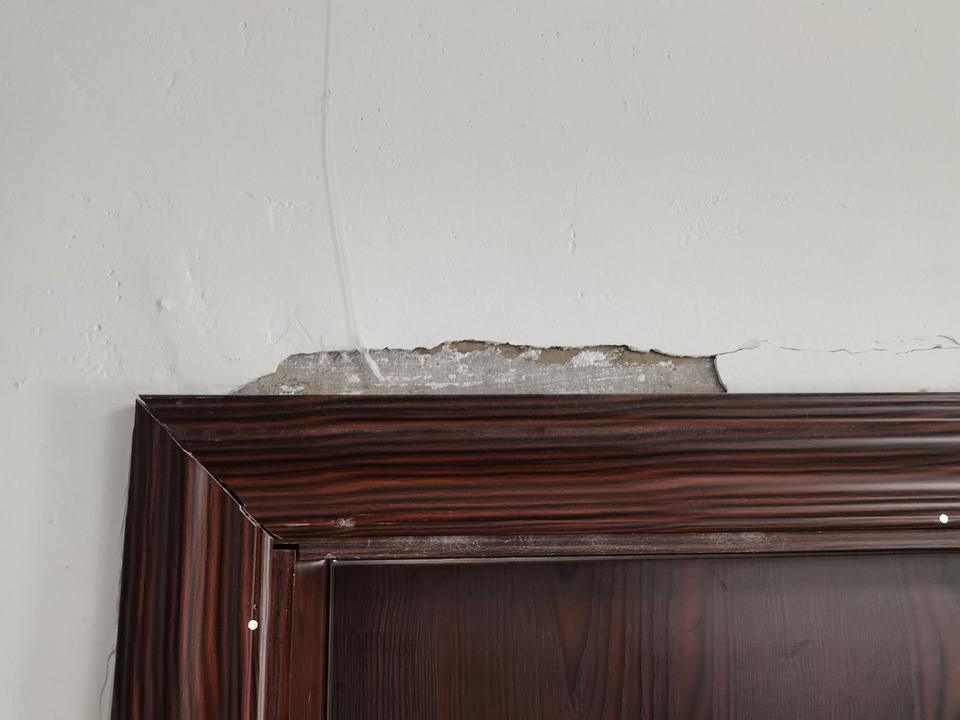
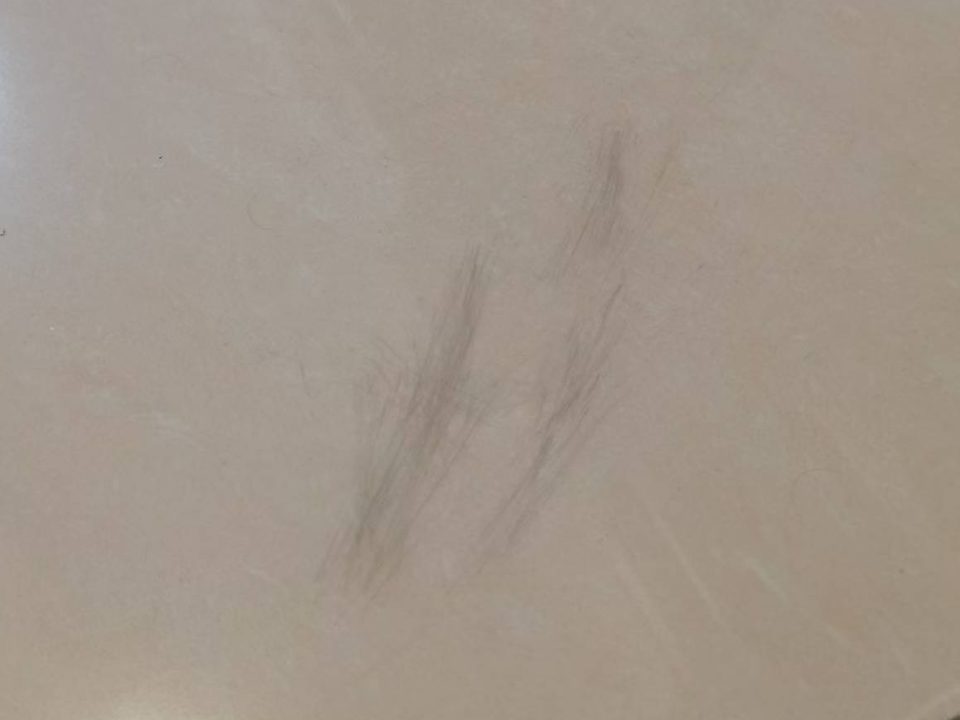
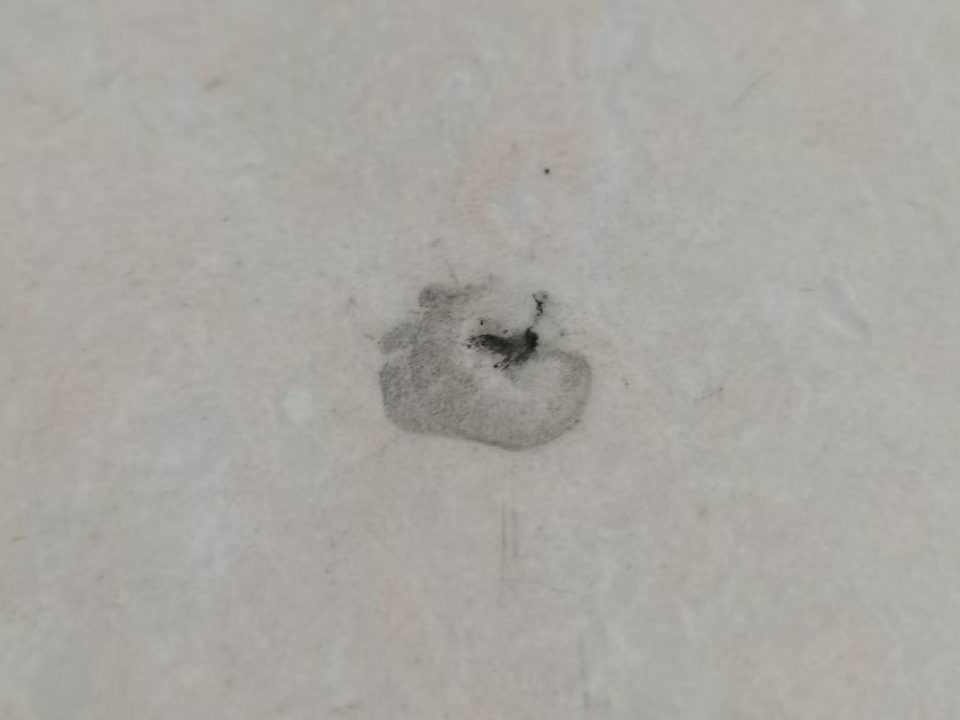
The state's guide treats minor marks and nicks as normal wear and tear; its example is paint worn where a sofa sits against the wall. A large number of holes that need filling, patching and repainting can justify a deduction, more so if the unit was recently painted. Large marks and gouges are generally the tenant's responsibility.
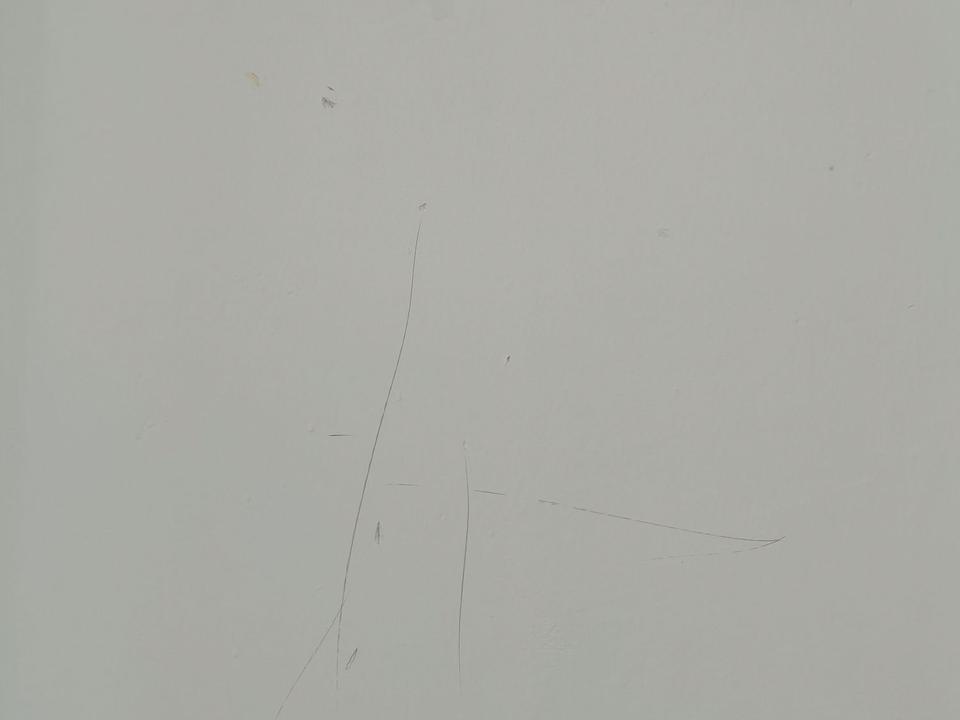
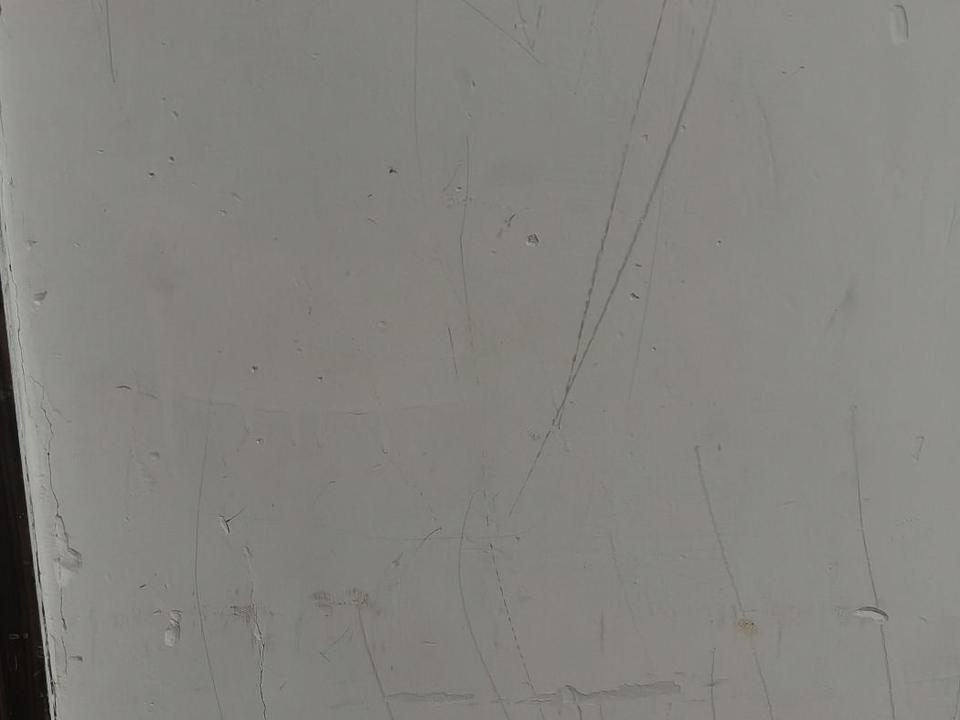
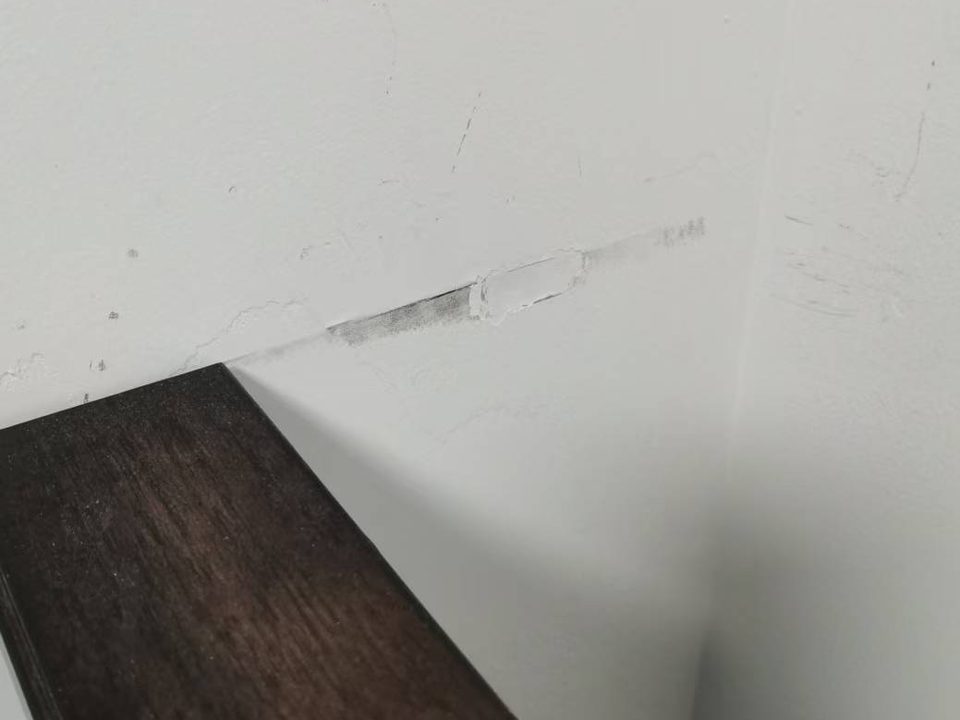
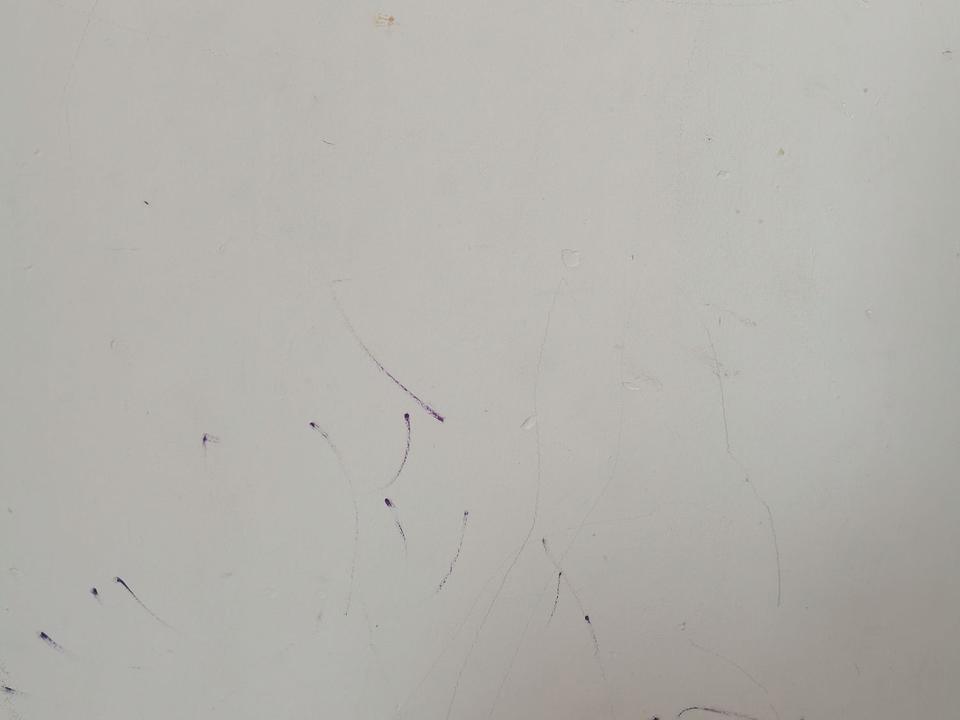
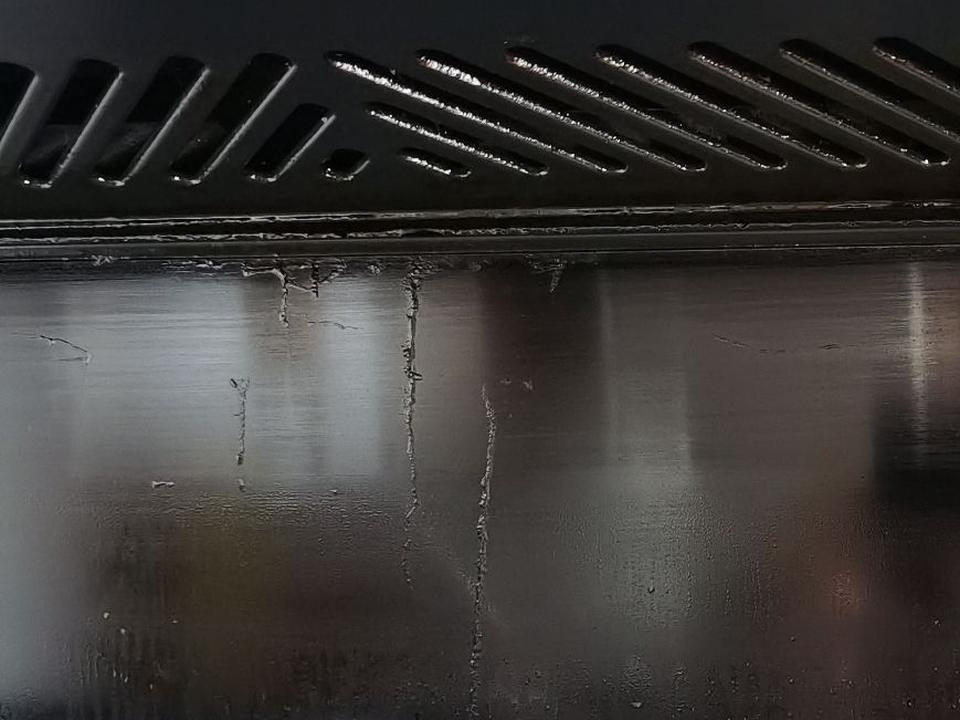
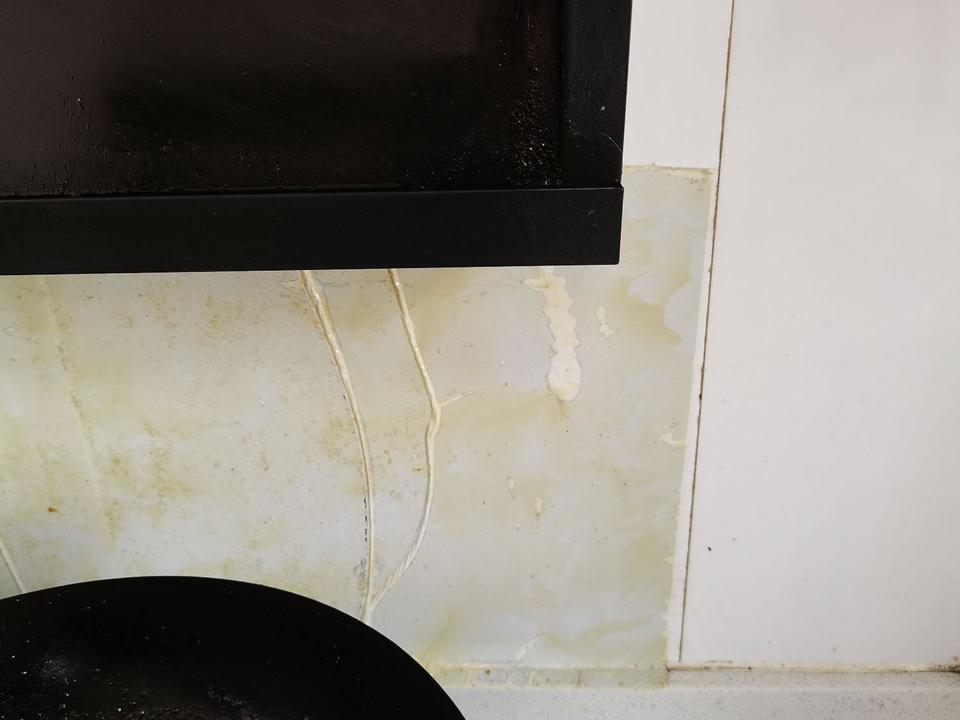
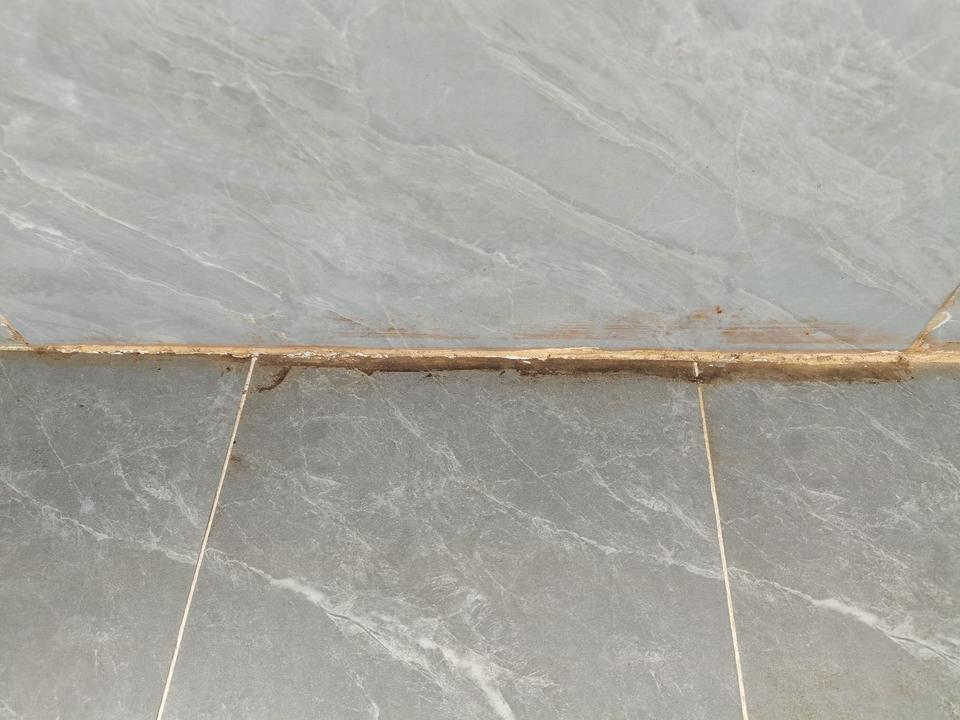
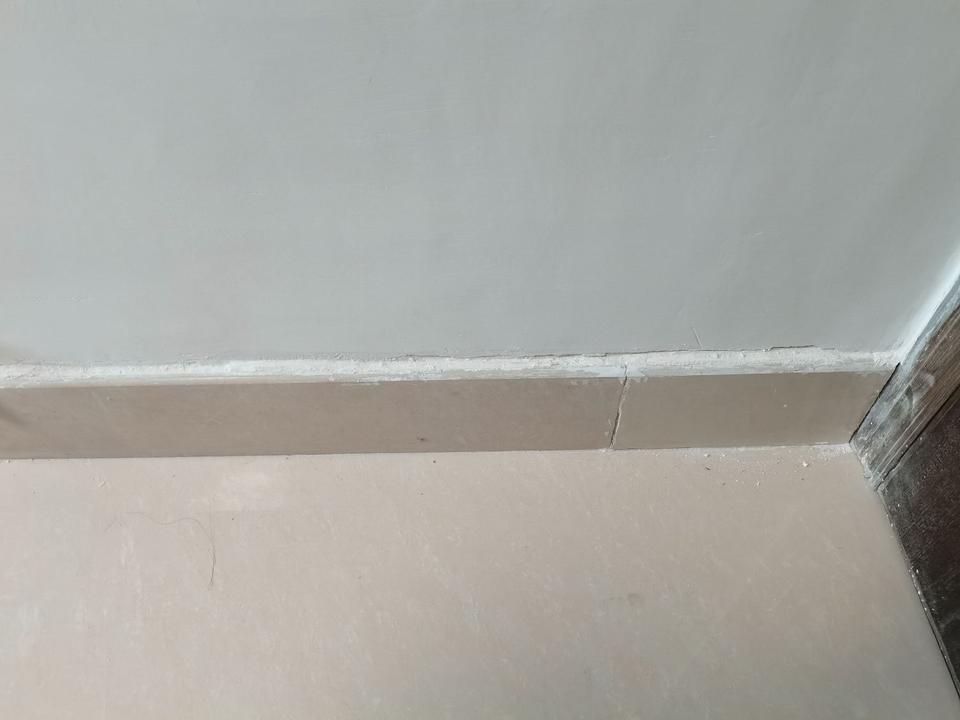
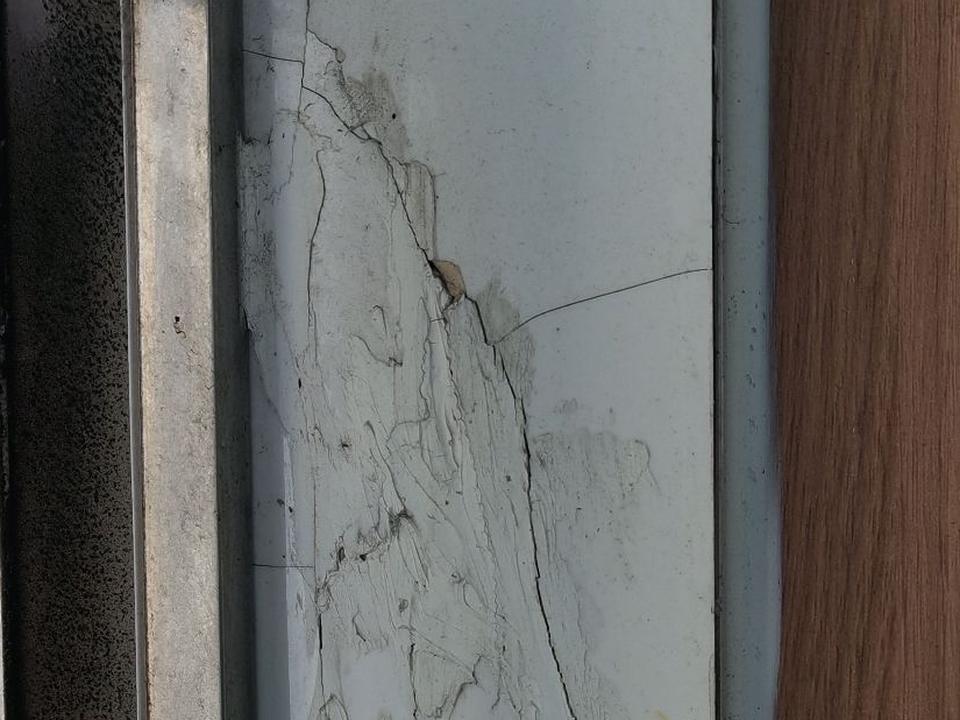
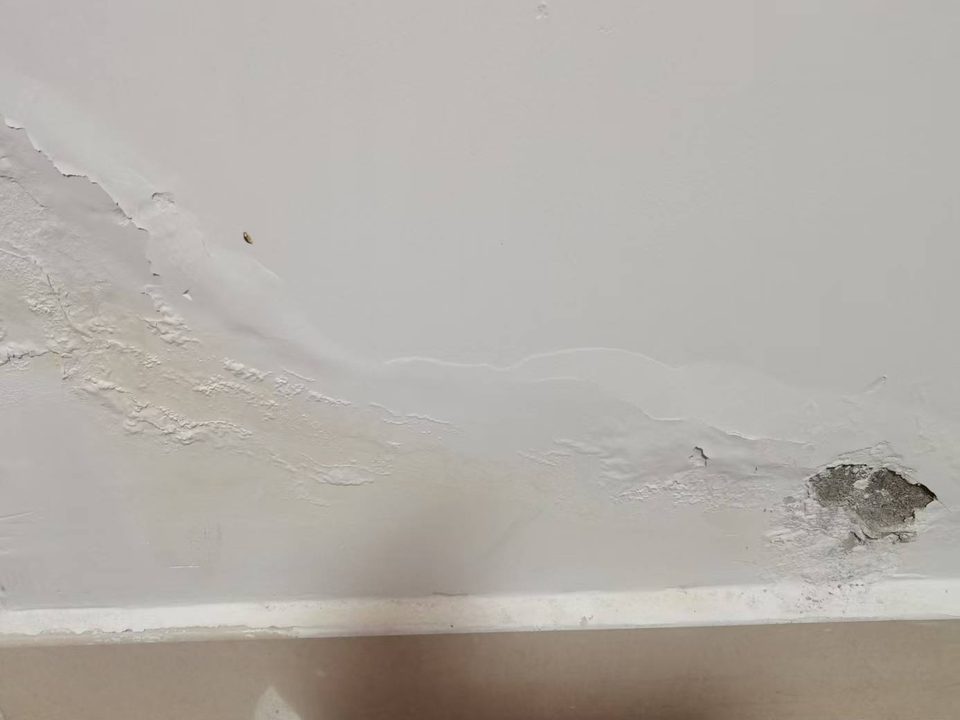
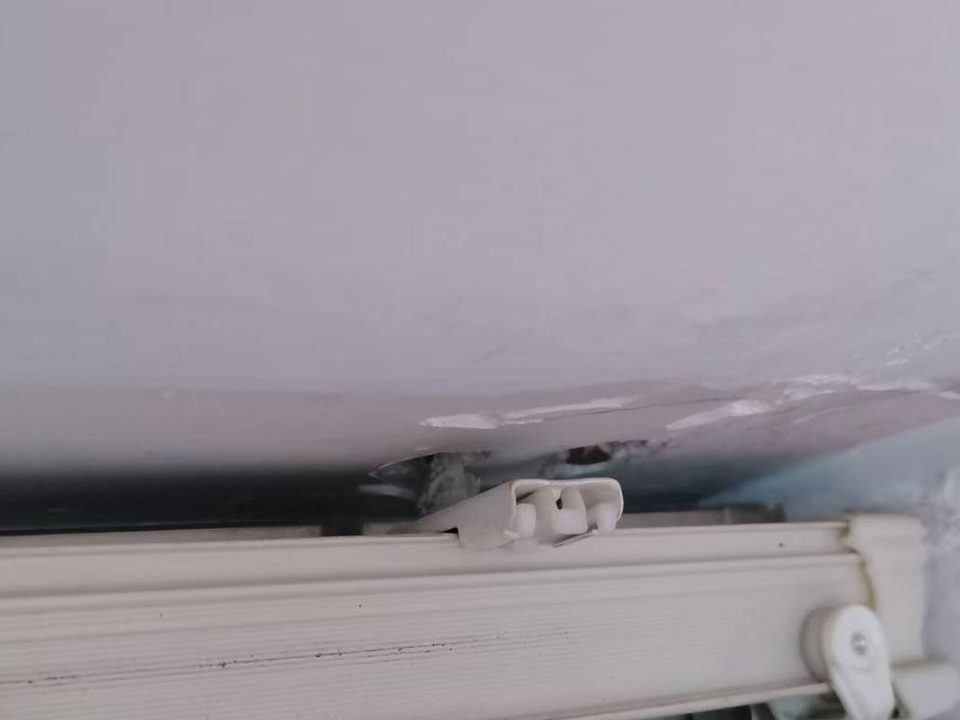
Real photos, most of them taken during an Amavera move-in inspection. The labels show how the state's suggested approach usually applies to conditions like these, not a ruling on this unit.
Cleaning isn't the same as damage
A landlord can charge only what it costs to make the unit as clean as it was when the tenant moved in. There's no routine cleaning fee for every departing tenant. The state's guide lists examples of reasonable cleaning charges: cleaning an oven, removing mildew in a bathroom, taking decals off walls, defrosting the refrigerator, washing the kitchen floor, and treating fleas left by a tenant's pet. None of these can be charged if the condition was already there at move-in, and neither can buildup from years of use, such as old wax on a floor that still looks dingy after mopping.
Breakage and building problems
Something broken by an accident or misuse during the tenancy is damage. Cracks from a building settling, leaks, seals that fail with age, and fixtures at the end of their life are not the tenant's doing, and they stay the landlord's to fix.
Hard floors: tile, wood and vinyl
The state's guide doesn't single out hard floors, but the lines it draws for walls carry over. Fine scratches and dulling from furniture and foot traffic are wear. A chip, crack or deep gouge from something dropped or dragged is damage, chargeable at a reasonable repair cost. Dirt that comes up with a mop is a cleaning question, not a repair.
Carpet, curtains and drapes: the useful-life rule
Carpet and drapes wearing down from normal use or age is wear and tear, and so is moderate dirt or spotting. Large rips or stains that won't come out justify repairing or, if reasonably necessary, replacing them.
When something has to be replaced, the common approach is to prorate: the tenant pays only for the life the item had left. The state's guide gives this example: a tenant ruins an eight-year-old carpet expected to last ten years, and a similar new carpet costs $1,000. The landlord can charge $200, the two years of use that remained.

Repainting: how long the tenant stayed matters
Repainting is chargeable only when it's needed because of damage beyond normal wear or soiling that can't reasonably be cleaned. One approach in the state's guide assumes interior paint lasts about two years (some landlords assume three or more) and scales the charge by the length of the tenancy:
| Length of stay | Share of repainting cost |
|---|---|
| Less than 6 months | Full cost |
| 6 months to 1 year | Two-thirds |
| 1 to 2 years | One-third |
| 2 years or more | Nothing |
The case for a charge is weaker still when the landlord repaints between most tenancies anyway.
Calculators
Quick estimates using the approaches above. Not legal advice.
Useful life: carpet, curtains, appliances
Repainting by length of stay
Settle it at move-in, not move-out
Almost every call on this page turns on the same fact: how the unit looked when the tenant moved in. With dated move-in photos, a landlord can show the shattered tile wasn't there before and a tenant can show the scuffs were. Without them, both sides are arguing from memory.
Free: the California move-in and move-out checklist. Room by room, as a page or a fillable PDF, with the photo steps the law requires and a 21-day deadline calculator.
Get the checklistSources
- California Civil Code § 1950.5, subdivisions (b) and (e), as in force in 2026.
- California Department of Real Estate, California Tenants: A Guide to Residential Tenants' and Landlords' Rights and Responsibilities, 2026 edition, pages 82–85 (“Suggested Approaches to Security Deposit Deductions”).
Checked October 2026. General information, not legal advice. For a specific dispute, talk to a California landlord-tenant attorney or your local rent board.